Mini-Mysteries
The Case of the Pharaoh's Puzzle is now available!
Welcome to the new Mini-Mysteries!
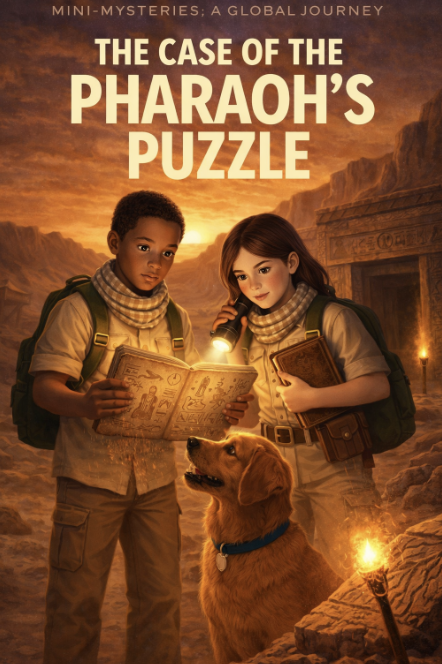
Meet the Worldschooling Detectives, Miles and Maya, along with their dog, Sherlock. Created for ages 8–12.
Pack your bags and grab your passports, junior detectives. Your adventure is about to begin.
Join Miles and Maya, worldschoolers, along with Sherlock and Gerard, as they travel the globe solving mysteries that blend science, storytelling, and world exploration. Each six-week unit takes them to a new destination where they decode clues, investigate ancient wonders, and uncover secrets from the past.
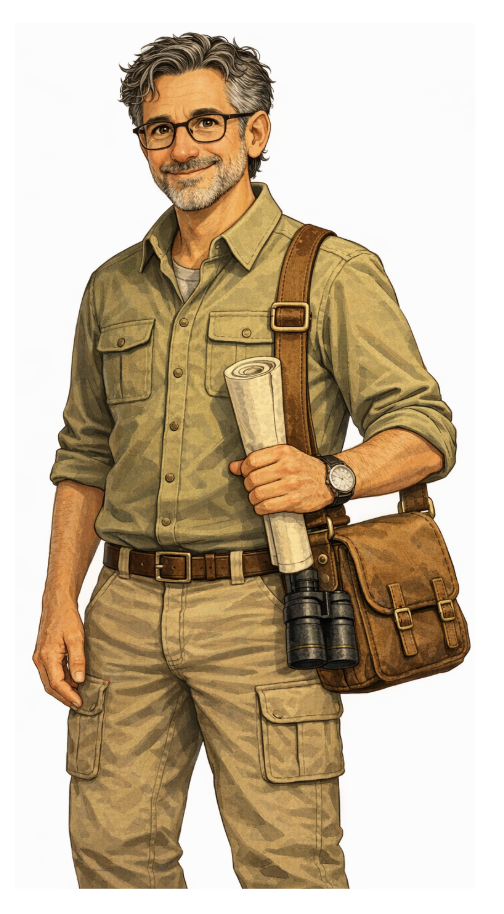
Gerard is a seasoned world tour guide and cultural expert who introduces them to historic landmarks, archaeological sites, and local traditions in every country they visit. He shares historical context while encouraging students to ask questions, notice details, and think carefully about what they see.
Each Mini-Mystery is a curriculum experience that weaves together reading, writing, history, geography, science, vocabulary, and critical thinking into one memorable journey. Clue by clue, students begin piecing together the story behind the case.
- Weekly Planner: 4 lessons per week
- Lesson Length: Approximately 60–90 minutes
- Total Lessons: 24 (plus bonus lessons)
- Course Length: 6 weeks per mystery
- Levels: Level 1 (ages 8–10), Level 2 (ages 11–12)
- Series: The Pharaoh's Puzzle is the first of five mysteries
Flexible, Engaging, and Easy to Use
This digital curriculum is simple to use and flexible to fit your schedule. The Pharaoh's Puzzle is the first of five Mini-Mysteries that follow Miles, Maya, Sherlock, and Gerard on adventures around the world.
Each week includes everything you need online, including lessons, videos, and printable PDFs for activities, labs, and projects, so you can simply open the lesson, print what you need, and begin.
Mini-Mystery 1:
The Case of the Pharaoh’s Puzzle
Miles and Maya are setting out on their first adventure together, leading them deep into the heart of ancient Egypt, where towering pyramids, hidden passageways, and long-buried secrets wait beneath the desert sands.
What begins as a simple exploration quickly turns into something far more mysterious as strange symbols, hidden messages, and unexpected clues begin to surface. Alongside their guide, Gerard, and their loyal dog, Sherlock, students follow a trail woven through ancient tombs, hieroglyphs, forgotten stories, and clues connected to the pyramids that archaeologists are still piecing together.
As the mystery unfolds, students investigate real evidence tied to the pyramids, explore artifacts connected to the Grand Egyptian Museum (GEM), uncover how archaeology works, and begin connecting clues hidden throughout the journey. Along the way, they encounter ancient engineering, geography, geology, science, excavation, mapping, and ongoing research that continues to reshape our understanding of ancient Egypt.
Through hands-on projects, creative writing, mapping activities, investigations, and optional Rabbit Trails, students become active participants in the mystery itself rather than simply reading about ancient Egypt. They ask questions, notice details, follow clues, and slowly uncover what has been hidden beneath the sands for centuries.
Can you solve the case?
Groups & Classrooms:
For classrooms, charter schools, micro-schools, co-ops, and other large learning environments, please contact us for group pricing, licensing details, and more information.
When you click "Purchase Now," you'll be taken to a registration form first, and then sent to the checkout page. Select the correct mystery or bundle you want to buy when prompted in the registration form.
Take a Deeper Dive into the Curriculum
Flexible Lessons and Schedule
This digital curriculum is designed to be simple and flexible to fit your schedule. Each week includes everything you need online, including lessons, videos, and printable PDFs for activities, labs, and projects. Simply open the lesson, print what you need from the Print Center, and begin.
Each Mini-Mystery is designed as a six-week adventure with four lessons each week. Many families complete one lesson a day, four days a week, but you can easily adjust the pace. Some move more quickly, while others spread the lessons over additional days. Choose the rhythm that works best for your family.
The goal is not to rush through the material, but to give your child time to think, explore, and stay engaged with what they are doing.
Lessons are flexible. You may choose to complete everything or focus on what works best for your child.
What To Expect

Each Mini-Mystery includes a mix of activities that help build real skills through an engaging and memorable experience.
As students move through the story, they will:
- Read and respond to a developing storyline
- Practice writing through guided and creative activities
- Explore history through real people, places, and events
- Build geography skills as they follow the journey across the map
- Learn and apply new vocabulary in context
- Engage with science concepts through simple, hands-on activities
- Strengthen critical thinking by analyzing clues, asking questions, and making connections
Rather than learning each subject in isolation, they begin to see how these areas connect naturally.
They are not just completing assignments. They are working through a mystery across the lessons, building understanding along the way. This is an immersive experience brought to life through storytelling. Most students ages 11–12 will be able to complete much of the curriculum independently, while younger students may need more guidance from a parent, especially at first.
Levels

Level 1 (ages 8–10) and Level 2 (ages 11–12) are built into select lessons, allowing you to choose the level that best fits your child's needs.
Level 1 supports younger or emerging learners with more guidance, shorter responses, and simpler expectations.
Level 2 encourages older or more confident learners to think more deeply, write longer responses, and work more independently.
Both levels are included, giving you the flexibility to move between them as needed. You'll see Level 2 clearly marked within the curriculum, with most of the differences in the English lessons and additional Level 2 options in science. For the most part, everyone is learning together through the same storyline, history, geography, and science lessons.
Repeat Rhythm
Each Mini-Mystery follows a consistent weekly rhythm, helping students know what to expect and build confidence.
Lessons are organized by week and subject. Each week includes four lessons covering English, History, Geography, and Science. While the content changes from week to week, the structure remains familiar, allowing them to focus on the material rather than figuring out what to do next.
English
Storyline: This is the main story segment for the lesson. It introduces new clues, builds the mystery, and moves the story forward.
Think Like a Detective: These questions build reading comprehension through discussion and reflection on what was read. They are best used for conversation, not as a writing assignment. Students look closely at details, ask questions, and share ideas based on evidence from the text.
Sherlock’s Case Words: This section introduces the week's vocabulary. Students will encounter these words throughout the storyline and the history, geography, and science lessons, helping strengthen their understanding and expand their vocabulary.
Word Expedition: A hands-on vocabulary activity that reinforces new words through writing, explanation, and application. They work with vocabulary in a meaningful way to help it stick.
Step into the Scene: This is the main writing activity for the lesson. Students respond to the story through guided or creative writing while learning to organize ideas, write complete sentences and paragraphs, use descriptive details, support their responses with evidence, and explore different points of view. Although this is not a grammar program, The Pharaoh's Puzzle introduces the writing skills that will continue to develop throughout the Mini-Mystery series, helping students become stronger, more confident writers with each new adventure.
History
History lessons bring the mystery to life by introducing the people, places, and events connected to the story. Students explore ancient civilizations through historical figures, artifacts, maps, timelines, and archaeological discoveries, building a deeper understanding of how the past shaped the world.
As they investigate each destination, students ask questions, examine evidence, make connections, and think critically about historical events. Rather than simply memorizing facts and dates, they'll discover how history helps explain the mystery unfolding before them.
Geography
Geography lessons help students explore the world through maps, landscapes, and the journeys of Miles, Maya, and Sherlock. They'll identify countries, continents, landforms, bodies of water, and important landmarks while discovering how geography influences people, cultures, travel, and daily life.
Hands-on activities encourage students to build maps, observe physical features, compare regions, and strengthen spatial thinking. Each destination becomes another opportunity to understand how the world is connected and why location matters.
Science
Science lessons encourage students to observe, ask questions, test ideas, and investigate the world around them through hands-on learning. Each mystery introduces scientific concepts connected to the destination, giving students opportunities to experiment, build, research, and discover how science explains the world around them.
Rather than simply reading about science, students actively explore it through labs, models, demonstrations, and real-world investigations. As they make observations, collect evidence, and draw conclusions, they'll build curiosity, critical thinking, and a strong foundation for scientific inquiry.
Extensions
Excursions
Excursions are videos, projects, or real-world connections that extend learning beyond the page. They provide additional context and help bring each topic to life in a meaningful way.
Rabbit Trails (optional)
Each week includes four optional Rabbit Trails. These are short extension activities designed to deepen understanding and encourage curiosity.
Rabbit Trails can be:
- Added to any lesson during the week
- Used as enrichment for students who want to go further
- Completed on the fifth day as an optional extension
They are flexible and meant to support, not overwhelm.
Compass Notes
Compass Notes are more than simple note-taking. Instead of only writing facts or full sentences, students combine short notes with quick sketches, symbols, labels, or diagrams. This approach helps them process what they are learning in a way that makes it easier to understand and remember.
Throughout the mystery, you will see a small compass symbol. Any notebook or travel journal will work for this mystery and future cases.
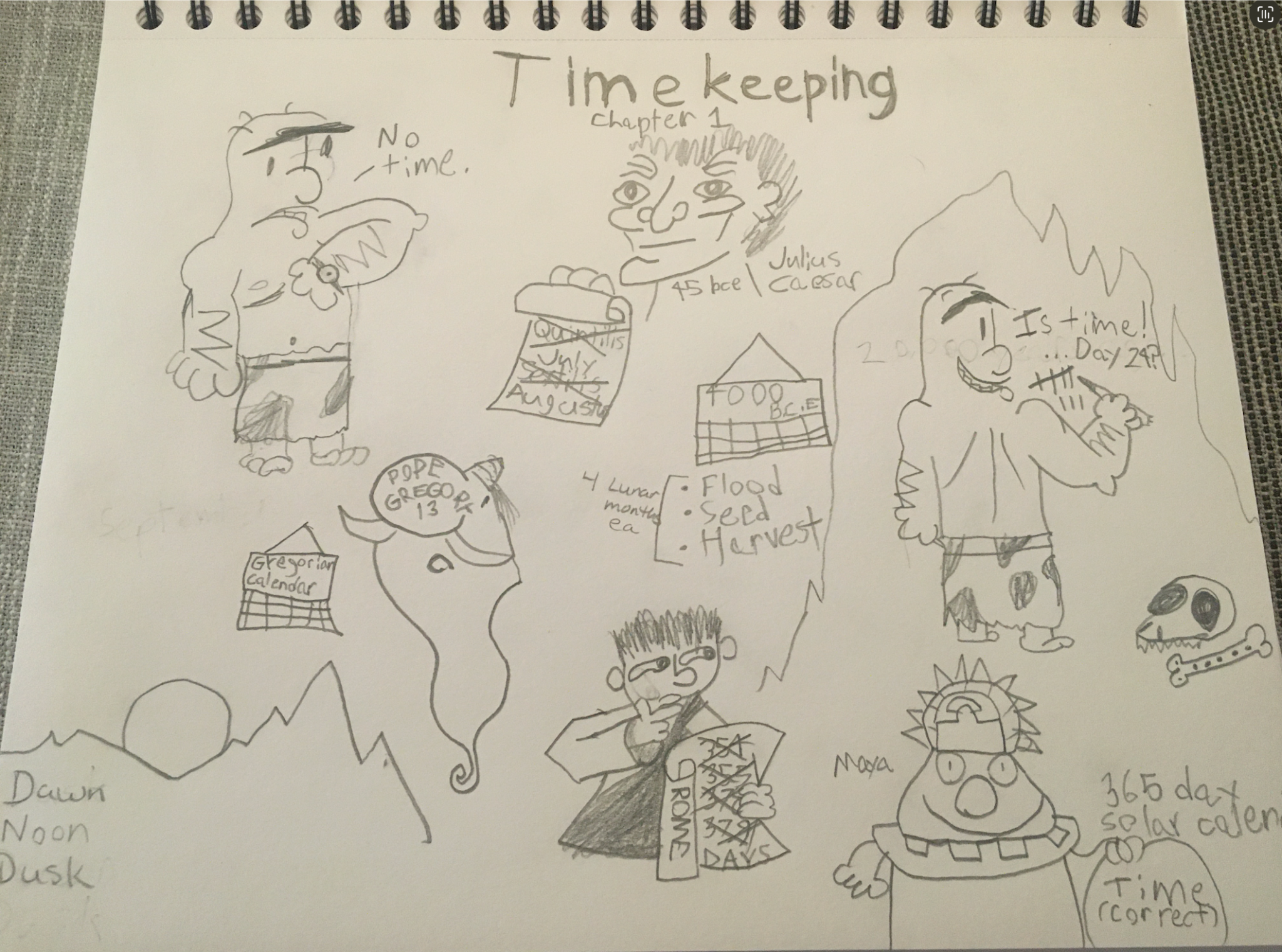
The sample shows what Compass Notes can look like.
There is no “right” way to do this. Children can add a quick note or a longer explanation. The goal is not perfection, but to help students record and remember what stands out to them.
By the end, their journal becomes a personal record of both the investigation and everything they discovered along the way.
Print Center
In the Table of Contents, any items shown in bold indicate pages that are printable. These include worksheets, activity pages, and project materials that support each lesson.
Each week includes a single, organized PDF with everything needed for that week’s printable components. This allows you to quickly access and print materials without searching through multiple files.
You may choose to print pages ahead of time or as you go. Both approaches work well, depending on your schedule and preferences.
The goal is to keep printing straightforward and manageable so that you can focus on learning rather than setup.
Answer Key
To keep things simple and easy to use, only clear, content-based answers are included in this section.
Questions that are open-ended, opinion-based, or designed for creative thinking are not included, as student responses will vary. Some questions are meant to be discussed, explored, or answered in different ways based on what students notice and understand.
Groups & Classrooms:
For classrooms, charter schools, micro-schools, co-ops, and other large learning environments, please contact us for group pricing, licensing details, and more information.
When you click "Purchase Now," you'll be taken to a registration form first, and then sent to the checkout page. Select the correct mystery or bundle you want to buy when prompted in the registration form.
Frequently Asked Questions


